
Tags: Fire Damage Restoration, Fire Sprinkler, Fire Sprinkler Water Damage, Water Damage, Water Damage Fire Sprinkler, Water Damage Toronto,
For non-emergencies use our contact form


Emergency? 24-Hrs
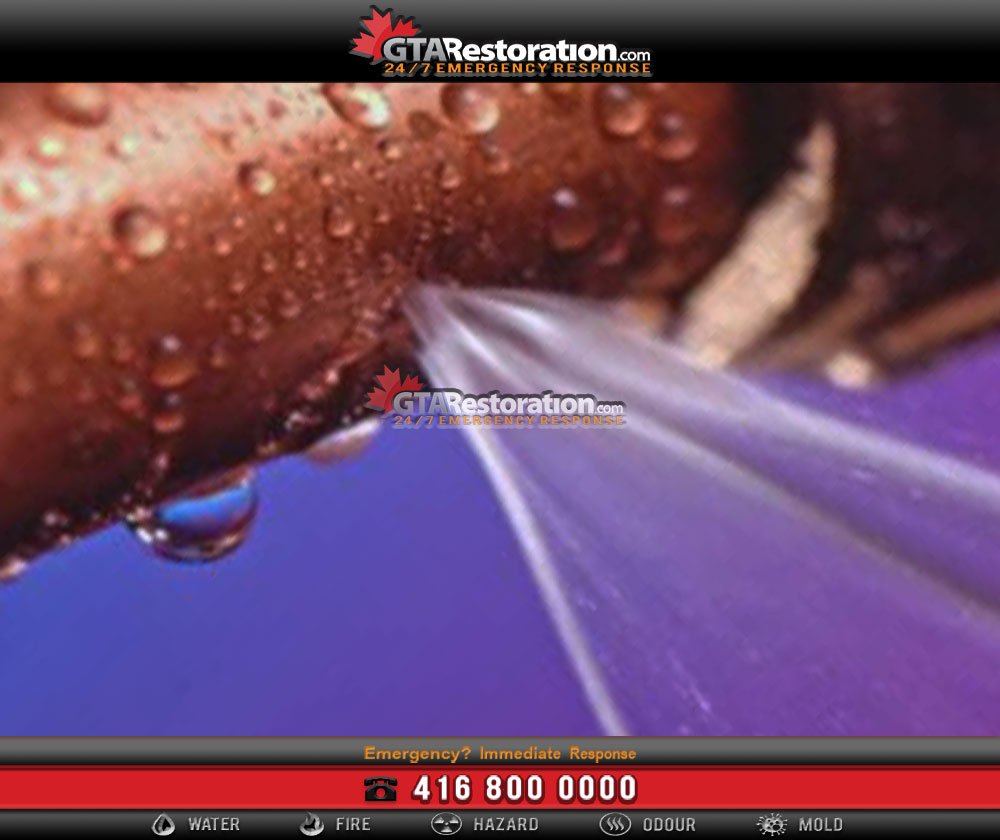
416.800.0000A well-maintained fire sprinkler system provides important fire protection. At the same time, damaged piping, freezing, corrosion or physical impact can lead to unexpected fire sprinkler water damage.
Water stains, rust or moisture around sprinkler components deserve attention. Small warning signs can point to a developing leak or damaged component.
Corrosion can affect sprinkler heads and piping over time. Therefore, damaged or deteriorated components should receive professional inspection.
Sprinkler piping in cold areas may require specific freeze protection. In particular, winter conditions can create problems in spaces that do not receive normal building heat.
Adding heaters or other heat-producing equipment can change conditions around sprinkler heads. As a result, system adjustments may be necessary after certain building changes.
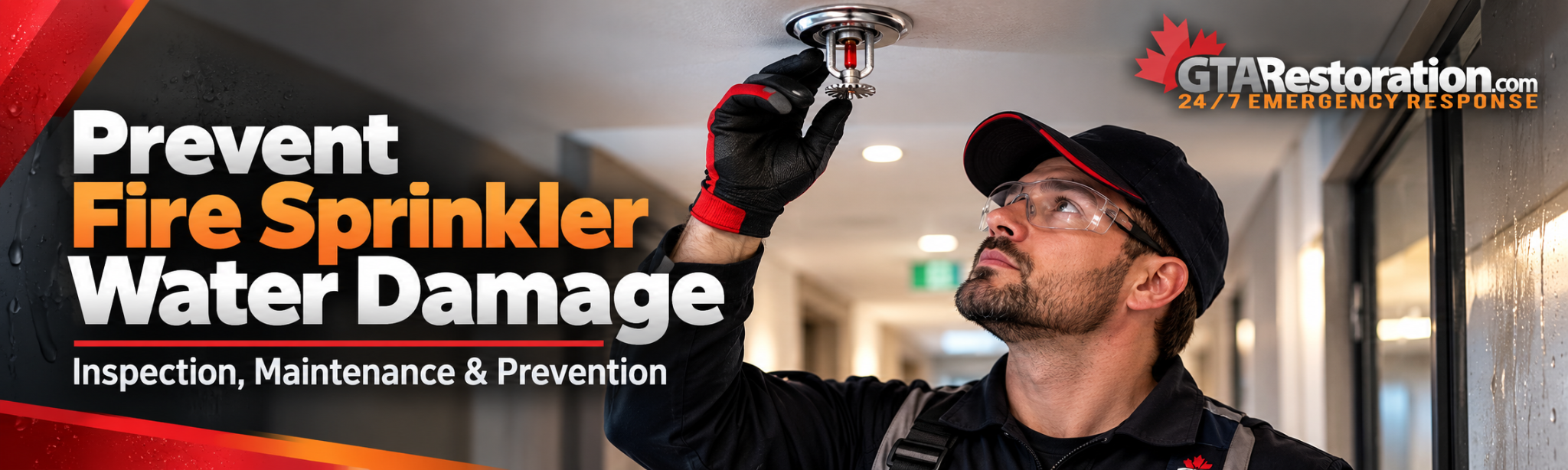
Do not strike, paint or hang objects from sprinkler heads or piping. Instead, keep the area around the sprinkler clear so it can operate as designed.
Construction work can accidentally damage heads and exposed pipes. Therefore, identify sprinkler components before demolition, ceiling work or equipment installation begins.
Repairs, replacements and sprinkler alterations should follow applicable fire-protection requirements. Avoid makeshift fixes or unauthorized system changes.
Sprinkler control valves serve an important life-safety function. Consequently, building owners should follow proper procedures before taking a system out of service.
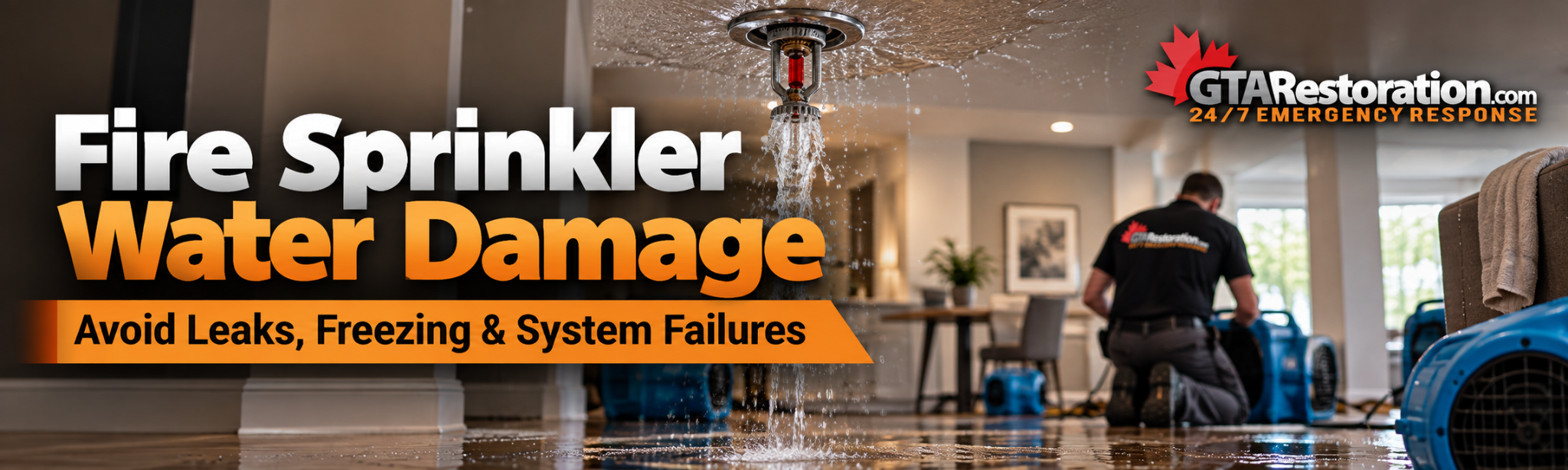
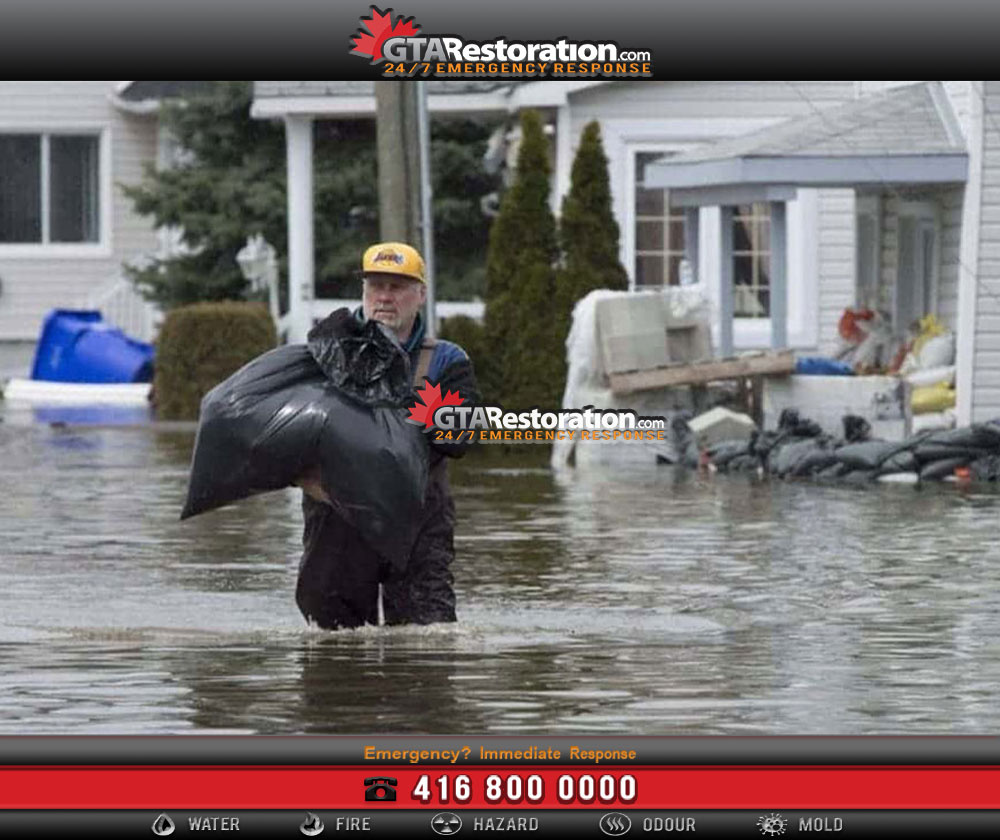
If a sprinkler leaks or discharges, water can move through ceilings, walls and flooring. Once the fire-safety issue is under control, prompt extraction and drying can help limit additional property damage.
The visible water may disappear while concealed materials remain wet. For this reason, moisture inspection should include surrounding ceilings, walls and flooring where appropriate.
Finally, repair the sprinkler-system problem as well as the resulting water damage. Both steps matter before the affected area returns to normal use.
Water damage from a sprinkler leak or discharge?
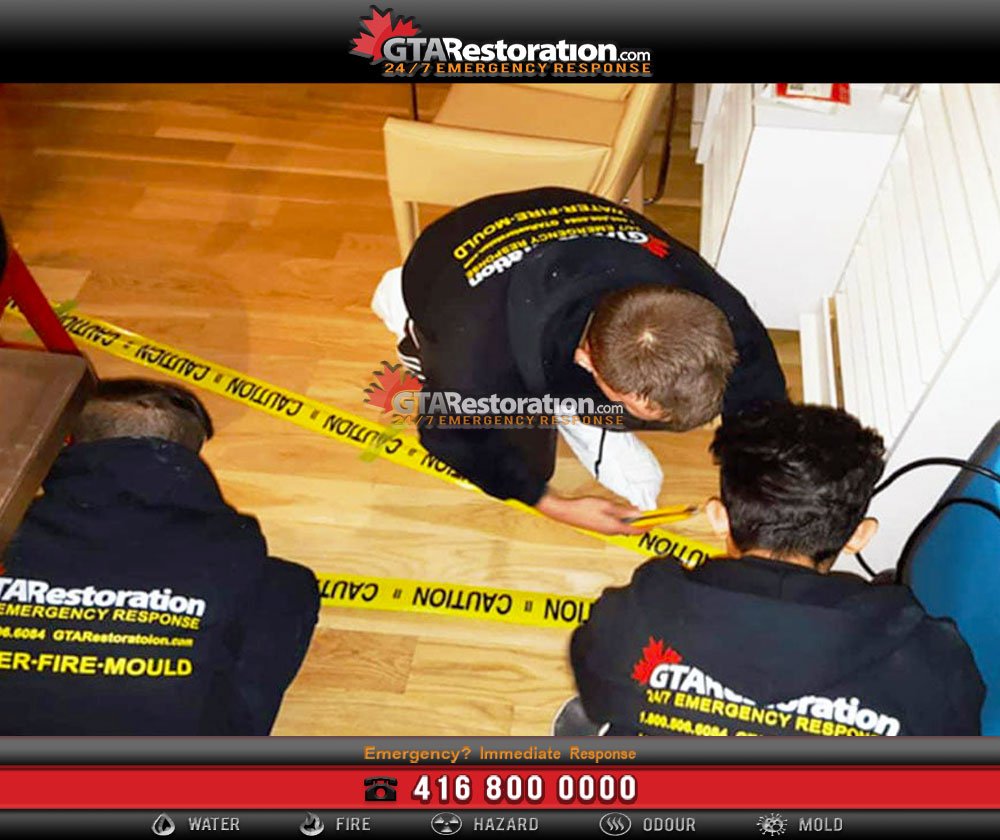
Contact GTA Restoration for 24/7 extraction, moisture inspection and structural drying.
Nationwide, Local Pricing
GTA Restoration offers local flood & water damage repair, mold removal/remediation, asbestos removal/abatement, fire/smoke damage repair services and much more.
Search
Normally, no. Sprinkler heads respond to heat rather than smoke or the sound of a fire alarm.
Typically, no. Individual sprinkler heads operate independently when sufficient heat reaches that sprinkler.
Yes. If vulnerable sprinkler piping freezes, expanding ice can damage pipes or fittings. Therefore, proper winter protection is important.
Yes. Corrosion or damaged components can contribute to sprinkler-system problems and should receive professional attention.
First, confirm there is no active fire emergency. Then, follow the appropriate building and fire-protection procedure rather than disabling the system without authorization.
Once the fire-safety issue is resolved, arrange sprinkler repair and address the property damage. Water extraction, moisture inspection and structural drying may be required.
We Work Direct with All Insurance Companies
Wᴇ ᴀʀᴇ ᴄᴏᴍᴍɪᴛᴛᴇᴅ ᴏɴ ᴡᴏʀᴋɪɴɢ ᴡɪᴛʜ ᴇᴠᴇʀʏ ɪɴsᴜʀᴀɴᴄᴇ ᴄᴏᴍᴘᴀɴʏ ᴀᴄʀᴏss Cᴀɴᴀᴅᴀ & USA.
Learn more ↴ 
RELATED ARTICLES
follow us on 




Our Clients

Affiliates

Call Us 416-800-0000
Emergency? Immediate response 24/7
We cover all GTA 24/7.
Head Office:
250 Consumers Rd,
#10
Toronto, ON
M2J 4V6,
Open 24 hours
Downtown Office:
1 Toronto St,
#10
Toronto, ON
M5W 1A1,
Open 24 hours
For non-emergencies use our contact form
Not sure what you need?
Call us today to find the best product for your situation.
Head Office:
101 Lebovic Ave,
Unit #10
Scarborough,
ON, M1L 4T7
Hours
24-Hours Open
Downtown Office:
250 Yonge Street,
Unit #1A
Toronto,
ON, M5B 2L7
Hours
24-Hours Open
How to Avoid Fire Sprinkler Water Damage
Get a quote today


You must be logged in to post a comment.